
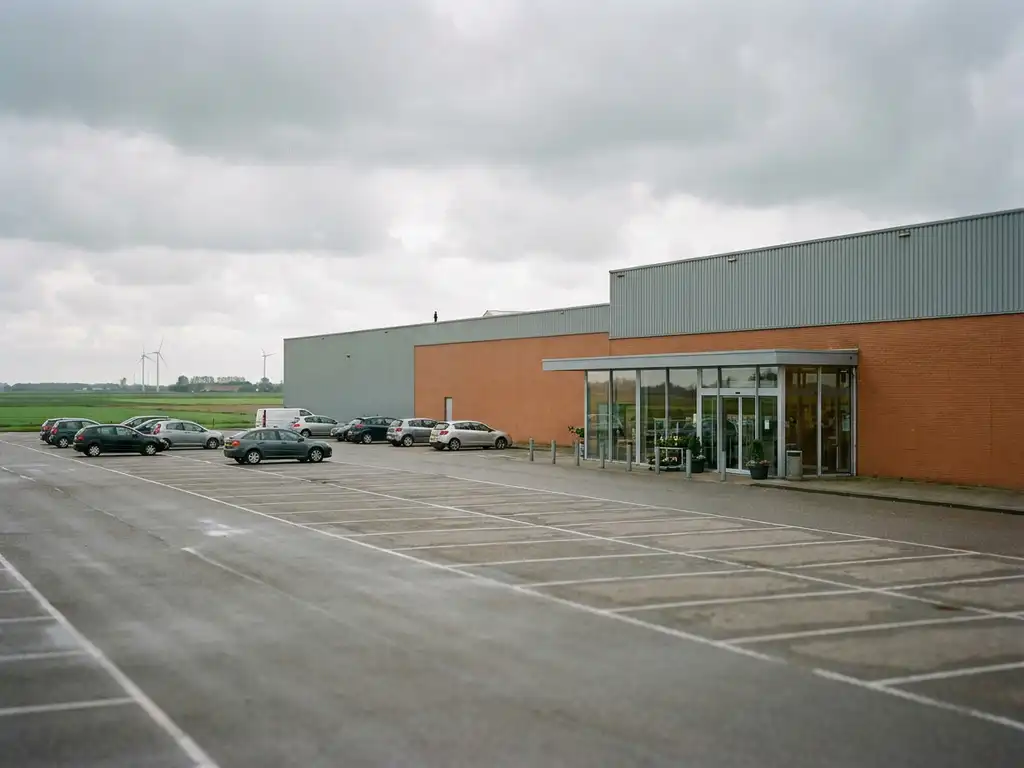
PDV (Perifere Detailhandel Vestigingen) and GDV (Grootschalige Detailhandel Vestigingen) locations are designated retail zones in the Netherlands where large-format, space-intensive retailers are permitted to operate outside of traditional town centres. These sites exist because Dutch planning law deliberately restricts bulky goods retail on high streets to protect urban shopping areas. For investors evaluating the Dutch retail real estate market, understanding how these zones function is essential before assessing any asset in this format.
What types of retailers are allowed in PDV and GDV zones?
PDV locations are restricted to retailers selling goods that are too large or bulky to be sold practically in a town centre, including furniture, kitchens, bathrooms, garden supplies, floor coverings, and DIY materials. GDV locations allow a broader mix of large-format retail, including electronics, sporting goods, and in some cases clothing, depending on the specific zoning designation of the site.
The distinction matters operationally because the permitted tenant mix directly determines the depth of the leasing market for any given asset. A PDV site zoned exclusively for furniture and home furnishings will attract a narrower pool of retailers than a GDV concentration that permits sporting goods or consumer electronics. Municipalities define these categories in local zoning plans, so the exact permitted uses can vary from one location to another across the Netherlands.
Supermarkets are generally not permitted at PDV or GDV sites unless explicitly included in the local zoning plan. Food retail is typically reserved for neighbourhood centres and high streets, which is a meaningful distinction for investors comparing different retail formats within the Dutch retail real estate market.
How does Dutch zoning law regulate PDV and GDV sites?
Dutch zoning law regulates PDV and GDV locations through municipal bestemmingsplannen (zoning plans), which specify exactly which retail categories are permitted at each location. Retailers cannot operate outside their permitted category without a formal zoning amendment, which requires municipal approval and can take considerable time. This regulatory framework is strict by European standards.
The underlying policy rationale is the Dutch ladder for sustainable urbanisation (ladder voor duurzame verstedelijking), which requires local authorities to demonstrate that new large-format retail development outside town centres does not undermine existing urban retail structures. This makes expanding or repurposing PDV and GDV sites more complex than it might appear on paper.
For investors in retail property in the Netherlands, this regulatory rigidity has two sides. On one hand, it limits speculative oversupply and protects established sites from new competition. On the other hand, it constrains repositioning options if a major tenant vacates. Understanding what the local zoning plan actually permits, and what it would take to change it, is a critical part of investment due diligence for any PDV or GDV asset.
What is the difference between a PDV and a GDV location?
The core difference is the breadth of permitted retail uses. PDV (Perifere Detailhandel Vestigingen) sites are strictly limited to bulky goods categories that are genuinely incompatible with high street retail, such as furniture, building materials, and garden centres. GDV (Grootschalige Detailhandel Vestigingen) sites permit a wider range of large-format retail, including categories that could theoretically operate in a town centre but benefit from large floor plates and out-of-town accessibility.
In practice, GDV locations tend to be more commercially versatile and attract a broader tenant base. They are more likely to include anchor tenants from categories such as consumer electronics or sporting goods, which generate stronger footfall and support ancillary food and beverage concepts. PDV sites are more narrowly positioned around home and living categories, which makes them more dependent on the health of that specific retail segment.
From an investment perspective, GDV concentrations generally offer greater leasing market depth and lower re-letting risk than PDV-only sites, though both formats require careful assessment of local supply, catchment quality, and tenant covenant strength before drawing conclusions about yield sustainability.
Where are PDV and GDV locations typically found in the Netherlands?
PDV and GDV locations are typically found on the urban periphery, along major arterial roads, near motorway junctions, or on the outskirts of larger Dutch cities and regional centres. They require large land plots, strong car accessibility, and proximity to residential catchments, which makes central urban locations impractical. Common examples include woonboulevards (home furnishing boulevards) on the edges of cities such as Rotterdam, Utrecht, Eindhoven, and Groningen.
The woonboulevard format is the most recognisable PDV cluster in the Netherlands, typically anchoring a concentration of furniture and home furnishing retailers in a single accessible location. These sites vary significantly in quality, from well-maintained, fully let concentrations with strong anchor tenants to ageing sites with structural vacancy and limited repositioning potential.
Location quality within the PDV and GDV segment is not uniform, and the gap between a well-positioned site in a strong catchment and a secondary site in a declining region can be substantial. This mirrors the broader dynamic in the Dutch retail market, where location specificity is decisive for long-term investment performance. Retail market research at the site level is essential before drawing any conclusions about an asset’s trajectory.
How are PDV and GDV assets valued and priced for investment?
PDV and GDV assets in the Netherlands are valued using the same income capitalisation methodology applied across Dutch retail real estate, with net initial yield reflecting the relationship between passing rent and purchase price. However, valuers must account for the specific characteristics of the format: larger floor plates, longer lease terms common in this segment, tenant-specific fit-out dependencies, and the regulatory constraints on re-letting to alternative uses.
Market rent substantiation for PDV and GDV properties relies on comparable lease transactions within the same retail category and location type. Because this segment has a narrower pool of active tenants than high street retail, comparable evidence can be harder to source, which places greater weight on the expertise of the valuer. The Dutch huurprijsherziening (market rent review) process under Article 7:303 of the Dutch Civil Code applies equally to these assets, meaning rents can be reviewed against market levels at the end of a lease period.
Yield levels for PDV and GDV assets typically sit above those for prime high street retail in Amsterdam or other major Dutch cities, reflecting the higher re-letting risk and more limited tenant demand. The precise yield for any individual asset depends on lease length, tenant covenant, location quality, and the breadth of permitted uses under the local zoning plan. Professional retail valuations in this segment require both technical RICS and NRVT-compliant methodology and live market intelligence on active tenant demand.
What are the main risks of investing in PDV and GDV properties?
The main risks of investing in PDV and GDV properties in the Netherlands are re-letting risk, zoning inflexibility, tenant concentration, and structural demand shifts in the home and living retail segment. These risks are manageable with the right asset selection and due diligence, but they are more pronounced in this format than in prime high street retail.
Re-letting risk and tenant concentration
PDV and GDV sites often have a limited number of tenants occupying large units, which means a single vacancy can materially affect income. The pool of replacement tenants is narrower than in high street retail, and re-letting a large furniture or DIY unit can take considerably longer than re-letting a standard shop unit. Assets with a single dominant anchor in a tightly zoned PDV location carry the highest exposure to this risk.
Zoning inflexibility and repositioning constraints
Because permitted uses are fixed in the local zoning plan, an investor cannot easily convert a vacant PDV unit to an alternative use without municipal approval. In a market where e-commerce continues to affect certain bulky goods categories, the inability to pivot to alternative retail or non-retail uses limits the options available to manage vacancy. Investors should assess not just current occupancy but what realistic alternatives exist if the current tenant base contracts.
Structural demand trends in the segment
Certain categories permitted at PDV sites, particularly floor coverings and some home furnishings subcategories, have faced pressure from online retail. While physical retail remains important for high-consideration purchases, the long-term demand trajectory for some PDV-permitted categories warrants scrutiny. Assets anchored by retailers with strong omnichannel models and durable physical retail propositions carry lower structural risk than those reliant on categories with accelerating online substitution.
For international investors evaluating the Dutch retail real estate market, PDV and GDV assets can offer attractive yields relative to prime formats, but they require a level of local market intelligence that goes beyond macro data. Retail investment advisory from a specialist with active leasing and valuation activity across these formats is the most reliable way to assess whether a specific asset is correctly priced and what its realistic income trajectory looks like. KroesePaternotte has been active across all Dutch retail formats, including PDV and GDV concentrations, since 1984, with lease transaction data and valuation experience across the full national market that no generalist firm can match.
Related Articles
- What is the outlook for retail real estate in the Netherlands?
- How to test a new retail location with a temporary pop-up?
- How do supermarket anchors affect retail property values?
- What is the impact of online shopping on foot traffic in city centres?
- How does an energy label affect the rental price of commercial space?
- What is an anchor tenant in Dutch retail real estate?
- What is the Dutch retail real estate market?
- How do you value a retail property in the Netherlands?
- Which prime retail locations in the Netherlands attract institutional investors?
- How do you conduct due diligence on a Dutch retail property?